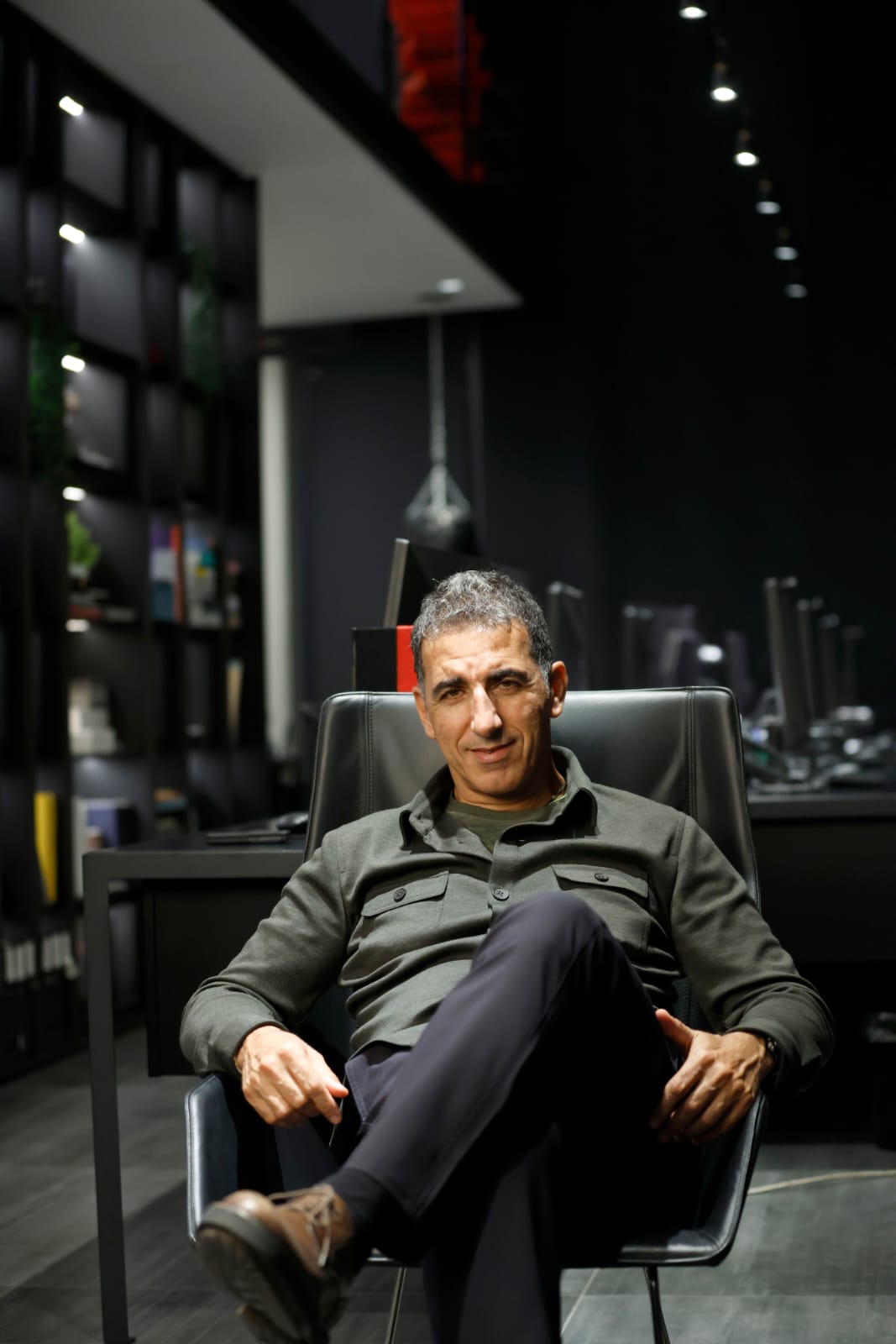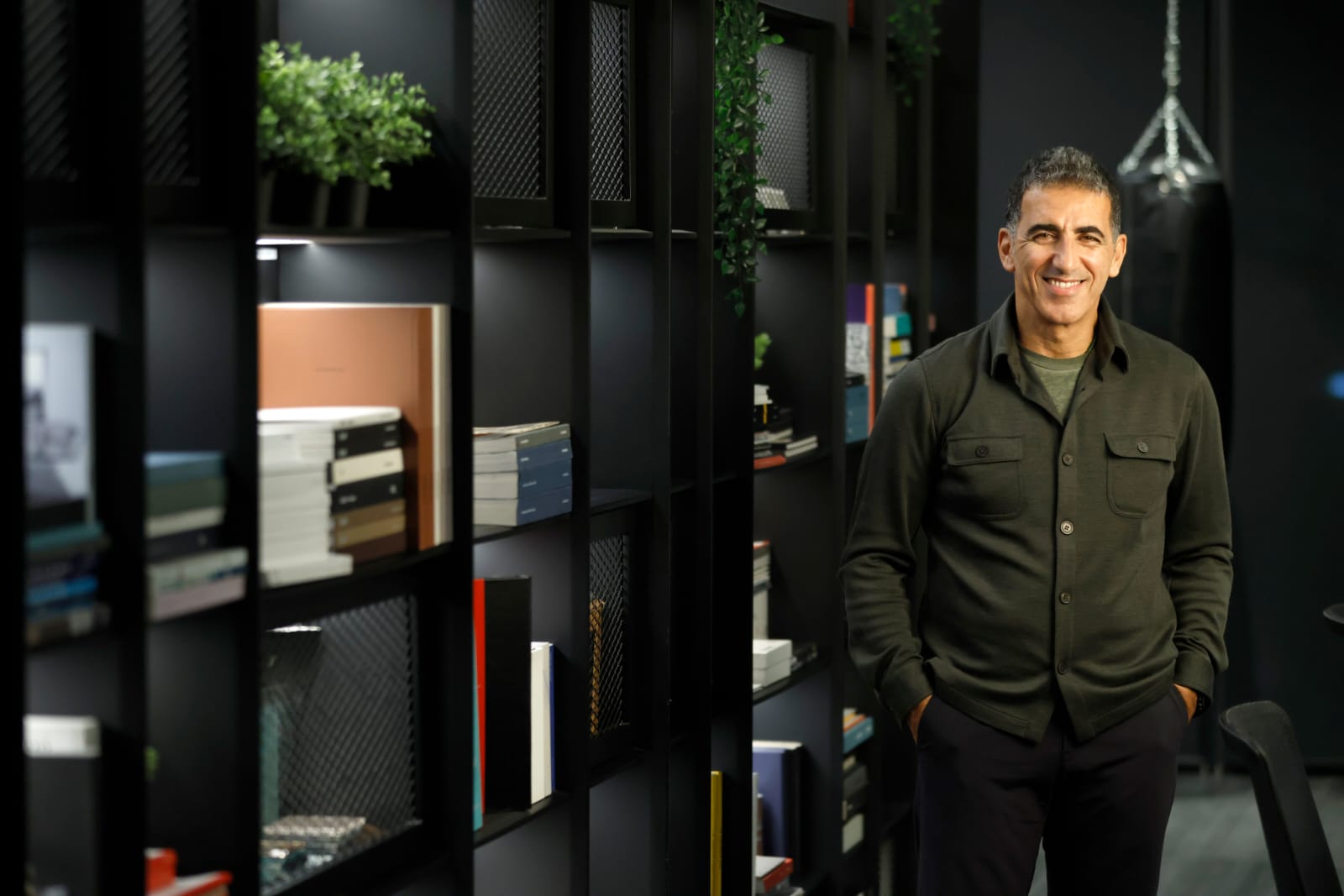
Some spaces are designed to be seen. Others are created to be felt.
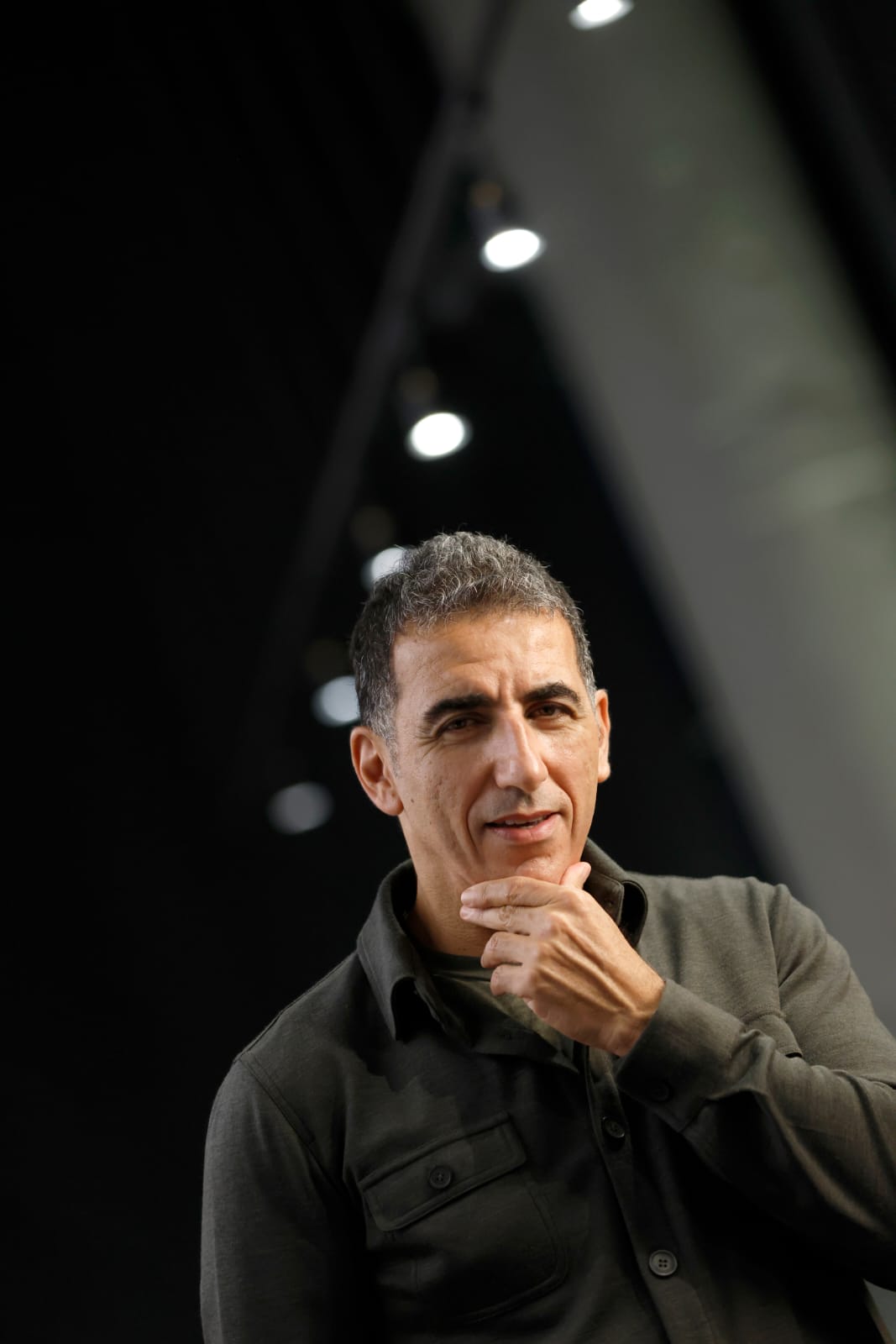
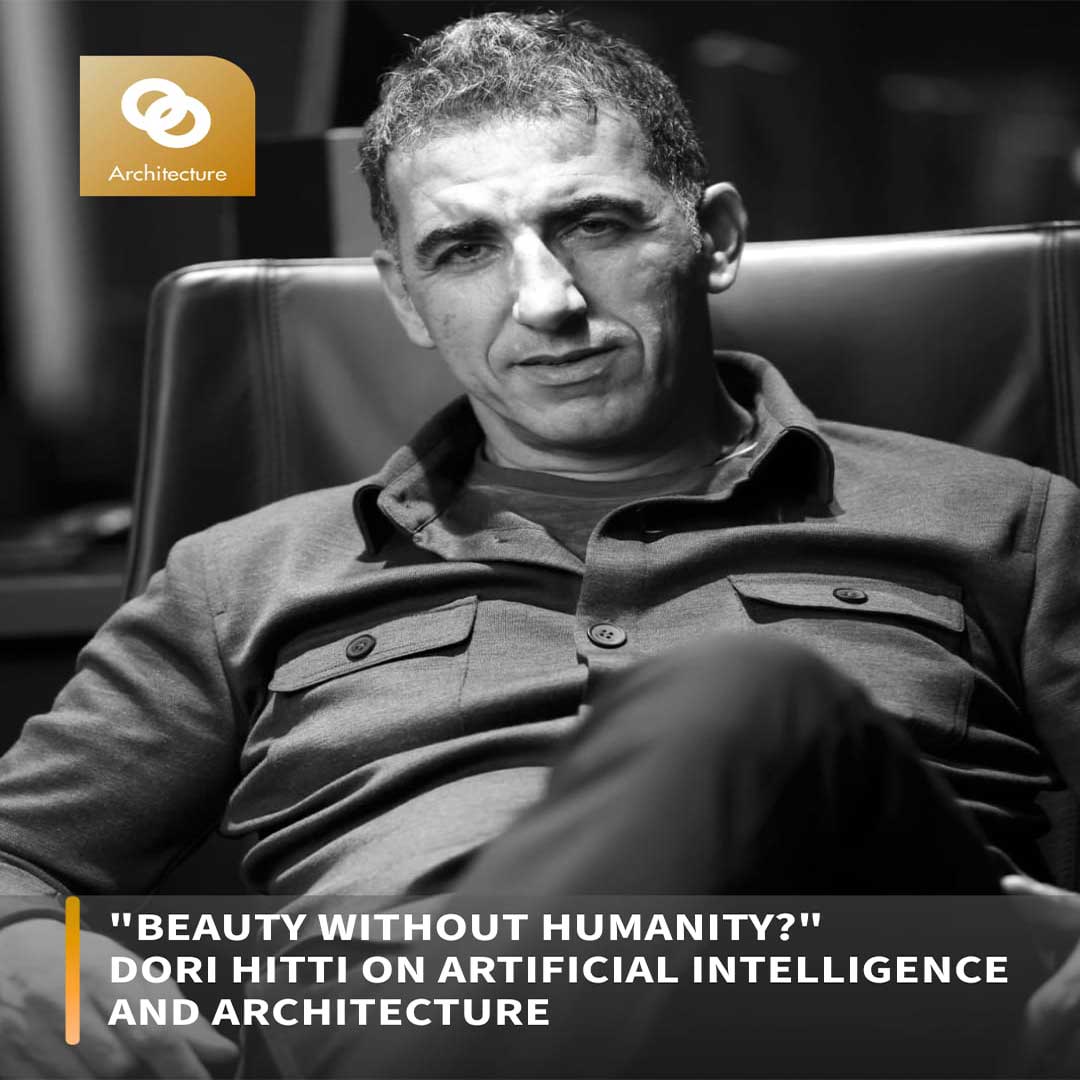
For Dori Hitti, architecture has never been merely an exercise in form, proportion, or aesthetics. It is an expression of emotion, an exploration of identity, and ultimately, an art of living. A Lebanese architect and interior designer widely regarded as one of the pioneers of contemporary design in the region, Dori Hitti has built his practice around a singular belief: the most beautiful spaces are those that leave an impression on the soul.
His artistic journey began in Florence, where he studied at the Accademia delle Belle Arti before specializing in interior design at Palazzo Spinelli. Immersed in a city where art, history, and craftsmanship are inseparable, he developed an appreciation for beauty that would become the foundation of his architectural language.
As Founder and Principal Architect of Dori Hitti Architects, he has created an international portfolio spanning Lebanon, the GCC, Africa, Europe, and the United States. From private residences and mountain retreats to beachfront homes, restaurants, boutiques, showrooms, and luxury spaces, each project is approached as a unique story, shaped around the people who will inhabit it.
His aesthetic is one of quiet sophistication. Contemporary yet timeless, modern yet deeply connected to tradition, his work carries a subtle Levantine soul. Clean lines, natural textures, considered proportions, and carefully curated pieces come together in an effortless harmony. Nothing is arbitrary; nothing is excessive. Every detail has a reason, every material has a voice, and every space has a feeling.
For Dori Hitti, luxury is not measured by what is displayed, but by what is experienced. It lives in the warmth of a room, the beauty of a perfectly considered detail, the comfort of a familiar corner, and the quiet pleasure of belonging. He believes a home should never be a stage for admiration. It should be a reflection of its inhabitants a place to live, to gather, to dream, and to create memories. Above all, it should have a soul.
His relationship with furniture and art is equally profound. Collaborating with some of the world’s most prestigious design houses, he treats each piece not as an accessory, but as an essential part of the architectural narrative. His ability to bring together craftsmanship, artistic expression, and contemporary design has shaped a distinctive signature, one that feels luxurious without ever seeking attention.
Throughout his career, he has collaborated with internationally recognized names including Porsche Design, Cavalli, Cadillac, and Beirut Marathon. His partnership with celebrated artist Romero Britto on the iconic Beirut Marathon sculpture in downtown Beirut stands as a particularly meaningful expression of his belief that art and design have the power to transcend spaces and connect people.
His projects have appeared in distinguished local and international publications, prestigious design books, and received recognition through numerous international awards. Yet, beyond the accolades, his greatest achievement remains the ability to create environments that resonate long after the first encounter.
There is also a deeper rhythm to Dori Hitti’s creative journey. An avid marathon runner, he finds in running the same qualities that define his approach to architecture: discipline, endurance, patience, and an unwavering pursuit of excellence. Both disciplines demand vision, commitment, and the understanding that meaningful achievements are never created overnight.
Today, his vision continues to evolve, embracing innovation while remaining anchored in the enduring values of art, craftsmanship, and human connection. For Dori Hitti, the future of design is not about following trends or creating impressions that fade with time. It is about creating something authentic, something personal, something that belongs.
Because architecture, at its highest expression, is not simply about the spaces we inhabit. It is about the lives we live within them, the memories we leave behind, and the emotions that remain long after we are gone.
And perhaps that is the greatest luxury of all: to create something beautiful enough to be remembered, and meaningful enough to be felt.
Copyright ©️ lakomm photography Milad Ayoub
What will distinguish an exceptional architect from an exceptional algorithm?
“An algorithm can generate thousands of solutions, but it does not necessarily understand why one solution matters more than another. The exceptional architect brings judgment, cultural awareness, intuition, and the ability to give meaning to space. The future will not belong to the architect who can draw the fastest, but to the one who knows which questions are worth asking.”
Will AI fundamentally redefine the role of the architect?
“Yes. The architect will increasingly become a director of intelligence rather than simply a producer of drawings. We will orchestrate data, algorithms, engineers, materials, and human needs into a coherent vision. But this does not diminish our responsibility; it makes it greater. The more powerful our tools become, the more important our decisions will be.”
Who is the true author of an architectural masterpiece created with AI?
“Authorship will become more collaborative and complex. AI may contribute to the form, but the architect establishes the intention, defines the constraints, evaluates the outcomes, and assumes responsibility for the result. Ultimately, authorship is not simply about who generates a form; it is about who gives that form meaning and takes responsibility for its consequences.”
How can we ensure AI enhances humanity rather than reducing architecture to optimization?
“We must remember that a building can be efficient and still be soulless. AI can optimize energy consumption, structure, circulation, and cost, but architecture must also create belonging, memory, beauty, and dignity. Technology should serve human experience, not replace it. Our challenge is to make buildings that are not only smarter, but more meaningful.”
What will be architecture’s most profound transformation over the next 20 years?
“I believe the greatest transformation will be the shift from designing static objects to creating intelligent, adaptive environments that respond to people, climate, and time. But the most important quality architects must protect is their ability to think critically and imagine beyond what already exists. AI can expand the boundaries of possibility, but we must still decide which possibilities are worth pursuing.”